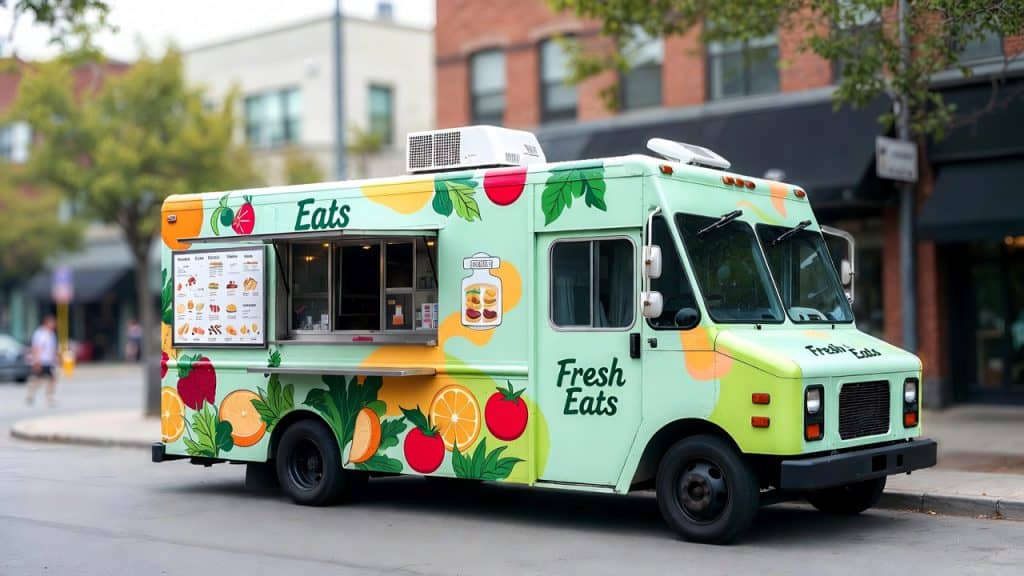
 The food truck industry has evolved from a niche street food phenomenon into a robust sector of the global economy, blending culinary creativity with entrepreneurial spirit. As we navigate 2026, the industry continues to demonstrate resilience and growth amid economic pressures, technological advancements, and shifting consumer preferences. With projections indicating steady expansion, food trucks are not just surviving—they’re thriving by adapting to challenges like rising costs and labor shortages through strategic pivots, particularly in catering services.
Market Growth and Economic Landscape
In 2026, the global food truck market is valued at approximately $4.63 billion, up from $4.33 billion in 2025, reflecting a compound annual growth rate (CAGR) of about 7%. This growth is driven by factors such as the rising popularity of mobile dining, urban street food culture, and the integration of digital tools like mobile apps, online ordering, and GPS tracking for enhanced customer engagement. Analysts forecast the market to reach $6.28 billion by 2030, fueled by demands for sustainable practices, eco-friendly designs (including electric and hybrid trucks), and specialized cuisines.
Regionally, North America leads with a significant share, while Asia-Pacific emerges as the fastest-growing area due to urbanization and a strong affinity for street food. In the U.S. alone, the industry hit around $2.8 billion in 2025, with operators facing tighter margins from increased competition and operational costs. However, opportunities abound: the corporate catering segment is exploding, projected to grow from $1.8 billion in 2024 to $6.8 billion by 2028, as businesses seek interactive, fresh meal options over traditional buffets.
Key Trends Shaping the Industry
Several trends are defining the food truck landscape in 2026:
- Rising Costs and Strategic Pricing: Operators are grappling with higher ingredient prices, fuel costs, and labor shortages. To counter this, many are optimizing menus for efficiency—focusing on high-margin items like vegan and plant-based options—and leveraging social media for targeted marketing.
- Tech Integration: Digital tools are a game-changer, enabling real-time tracking, pre-orders, and data-driven route planning to boost sales predictability and customer loyalty.
- Sustainability and Innovation: Eco-friendly trucks, seasonal menus, and global flavors (think fusion dishes incorporating nostalgia and comfort foods) are on the rise, aligning with consumer demands for value and wellness.
- Events and Partnerships: Food trucks are increasingly partnering with festivals, corporate events, and private gatherings to diversify revenue streams. This shift toward catering is particularly vital for offsetting operational expenses in a competitive market.
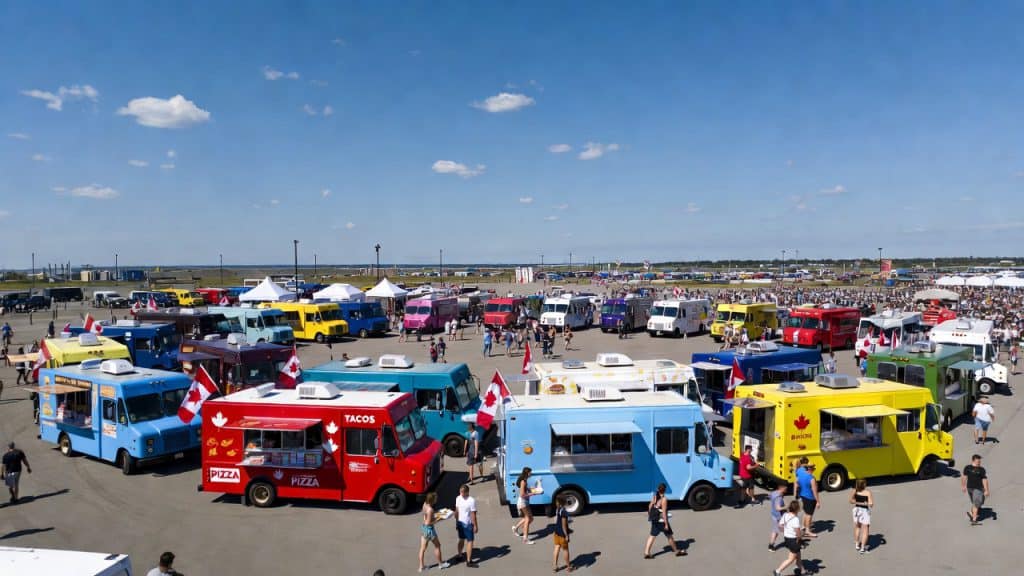
One of the most effective ways food truck operators are combating extra costs in 2026 is by expanding into catering services. Catering provides higher revenue per event compared to daily street sales, with predictable income from bookings for weddings, corporate lunches, and community events. This model reduces dependency on foot traffic and weather, while allowing trucks to charge premium rates for customized menus.
In Canada, cities like Vancouver, Toronto, and Calgary are leading this trend, boasting vibrant food truck scenes that rival international hotspots. These urban centers offer a mix of diverse cuisines, from Neapolitan pizza to Thai fusion, making them ideal for catering. For instance:
- Vancouver: Known for its innovative street food, Vancouver’s food trucks excel in catering for corporate events and private parties. Platforms like Street Food Vancouver facilitate affordable rentals, helping operators offset costs through high-volume bookings for everything from office lunches to festivals. With events like the Greater Vancouver Food Truck Festival drawing crowds, catering here generates steady income amid rising urban expenses.
- Toronto: As Canada’s largest city, Toronto’s food truck catering averages $800–$2,500 per event, covering a range of cuisines for weddings, business parks, and holiday parties. Operators use this to balance seasonal slowdowns, partnering with services like Roaming Hunger for seamless bookings that minimize downtime and maximize profits.
- Calgary: Calgary’s food truck culture has exploded, with events and private catering becoming key revenue drivers. Groups like YYCFoodTrucks connect trucks with clients for elevated experiences, from sweet treats to international fare, helping owners cover fuel and maintenance costs in a city that’s quickly becoming a culinary contender alongside Vancouver.
In these cities, catering isn’t just an add-on—it’s a strategic lifeline. By focusing on interactive stations, dietary inclusivity (e.g., vegan options), and local sourcing, food trucks can command higher fees, effectively offsetting the industry’s mounting pressures like inflation and competition.
Connecting Through Platforms: The Role of Perfect Caterer
To streamline this catering boom, platforms like Perfect Caterer are revolutionizing how people find and book food trucks. Perfect Caterer offers a fast, user-friendly way to connect event planners with local caterers and trucks, ensuring a level playing field without excessive fees. Whether you’re organizing a corporate gathering in Toronto or a wedding in Calgary, the platform simplifies the process: users search by location, cuisine, and event type, while operators gain visibility and quick bookings. This efficiency helps food trucks focus on what they do best—delivering delicious, memorable meals—while reducing administrative hassles and boosting their bottom line.
In summary, the food truck industry in 2026 is a dynamic blend of tradition and innovation, with catering emerging as a powerhouse for sustainability and growth. Cities like Vancouver, Toronto, and Calgary exemplify how this model can offset costs, and tools like Perfect Caterer make it accessible for all. As the sector rolls forward, expect even more exciting developments on the horizon.